
Alternative briquette
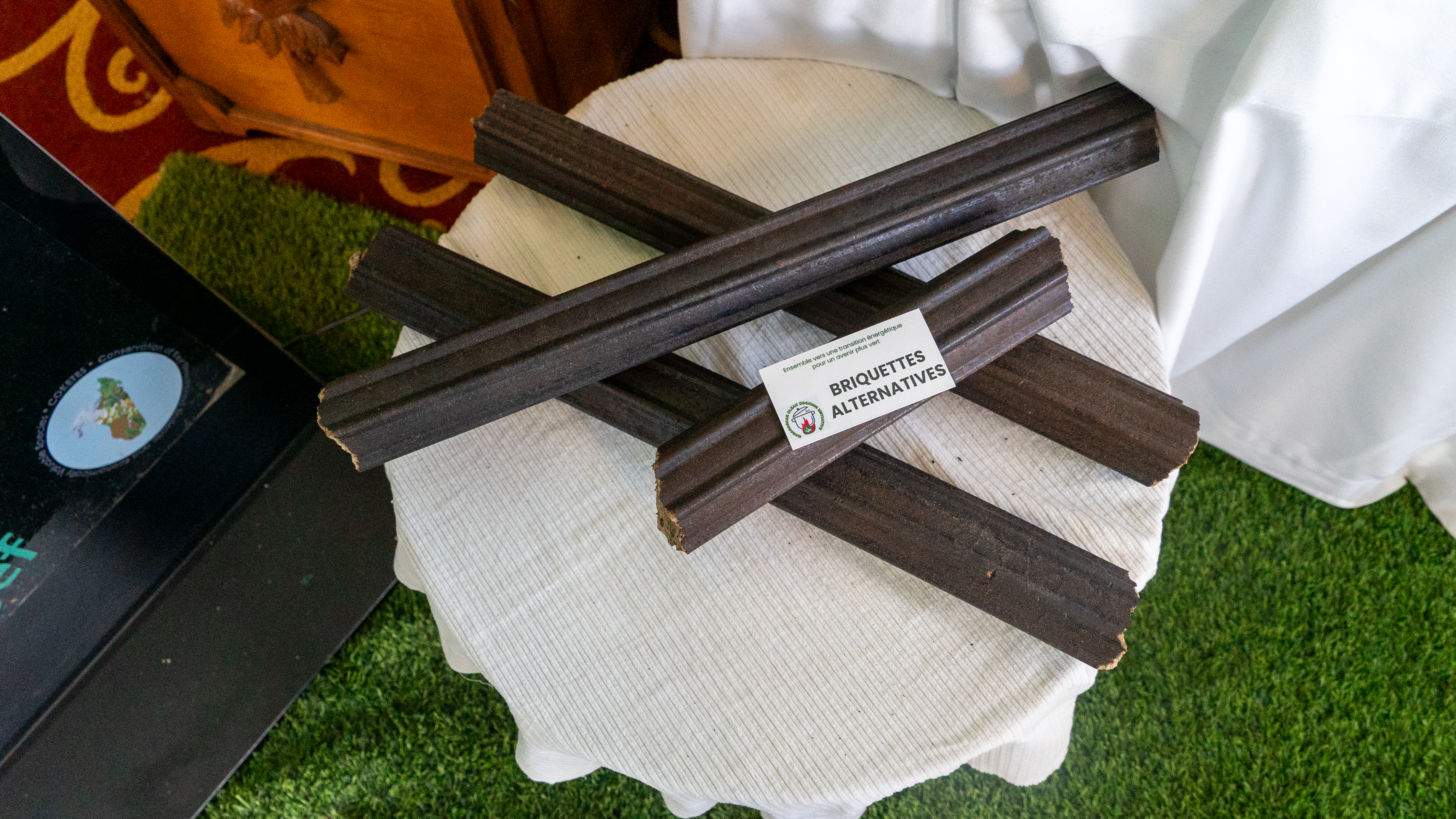
Alternative briquettes are produced from organic, agricultural, and forestry waste, offering an eco-friendly fuel for domestic cooking and industrial boilers. They replace traditional wood and charcoal, reduce deforestation, and support sustainable energy solutions in Madagascar.
Eco-friendly charcoal
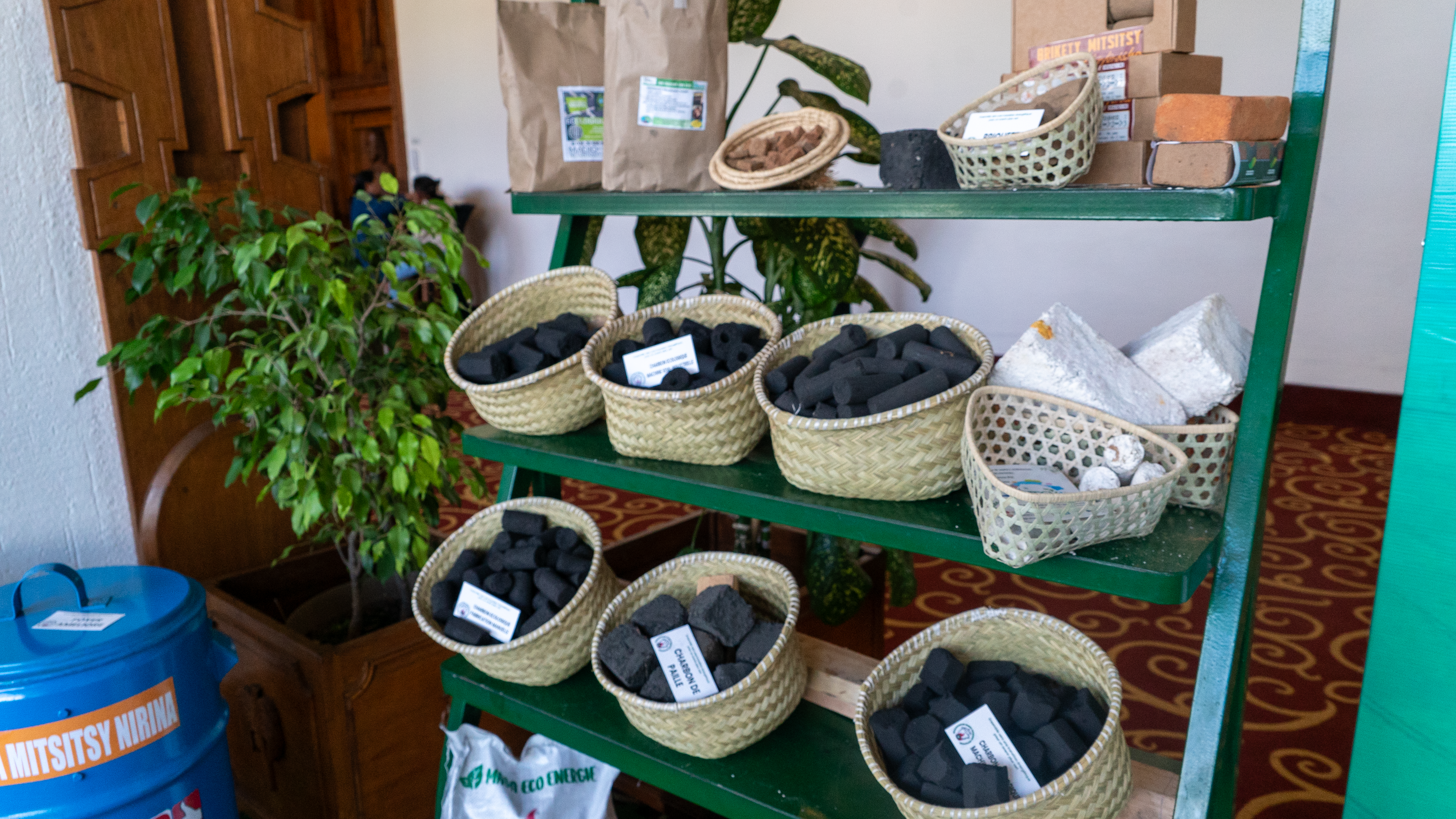
Eco-charcoal is manufactured from biomass residues such as agricultural waste, sawdust, and other organic materials, replacing conventional charcoal produced from wood.
Improved terracotta stove
Improves the efficiency of traditional fires: Made from clay or earthen materials, it works with wood or charcoal, enhancing airflow and heat concentration.
Modern improved metal stove
Metal cookstoves, industrially manufactured, using wood or charcoal with improved combustion control.
Gasification stoves
Advanced solution for canteens, institutions, and households seeking cleaner technologies. Gasification process converts biomass into gas before combustion. Compatible with pellets or sized wood. Ensures highly efficient and clean burning.
Alternative briquettes made from terracotta (coal additive)
Alternative clay-based briquettes are mineral briquettes made from clay/earthen materials, used alongside charcoal. They are not used alone but mixed with charcoal to extend burn time and reduce the amount of charcoal needed for cooking.
Non-carbonized briquettes (extruded)
Non-carbonized briquettes are solid fuels produced from compressed biomass residues such as sawdust, wood chips, and agricultural waste. They burn with a visible flame and are primarily used as an alternative to firewood for cooking and industrial boilers.
Biogas
Biogas is a renewable energy source generated from the fermentation of organic wastes, including animal manure, agricultural residues, and food waste. It is utilized for cooking with dedicated stoves or burners.
Wood pellets
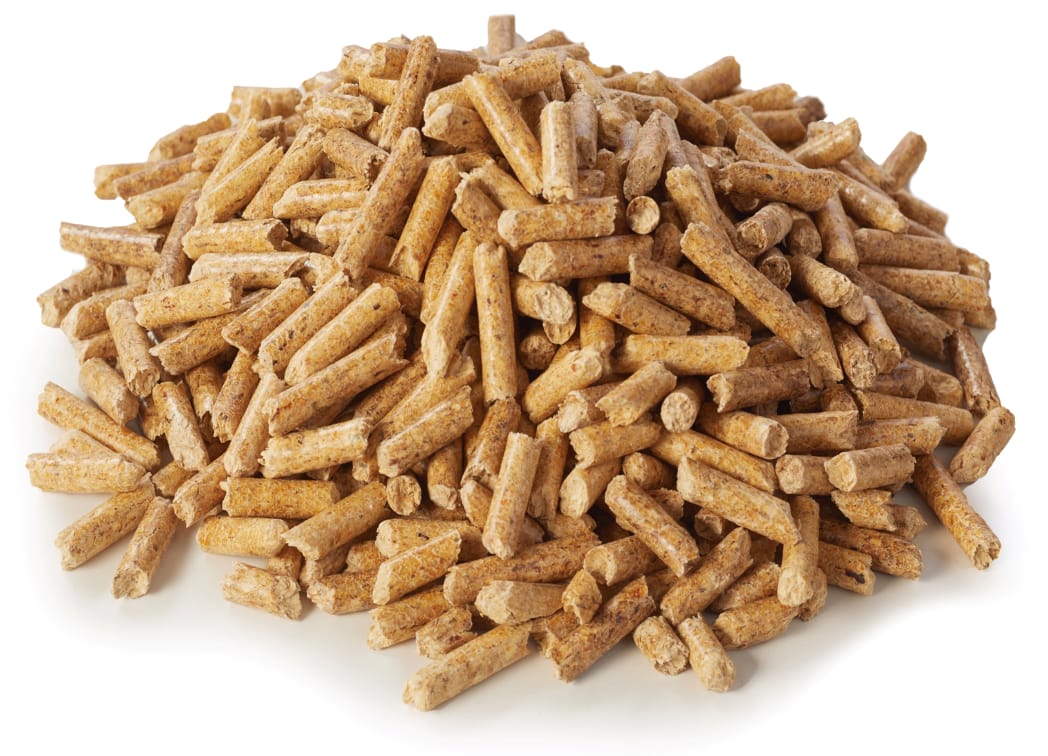
Pellets are biomass granules produced from compressed wood or agricultural residues such as sawdust, wood chips, and bagasse. They offer a sustainable alternative to charcoal and are used in stoves designed for this fuel.
Ethanol
Ethanol is a renewable liquid fuel made from agricultural raw materials or agro-industrial by-products. Used in specially designed stoves, it offers clean, smoke-free cooking that benefits both health and the environment.
Biodiesel
Biodiesel is a renewable liquid fuel made from vegetable oils. Used in dedicated burners or stoves, it offers a cleaner alternative to fossil fuels and firewood for cooking.
E-cooking (electric cooking)
Electric cooking relies on electricity, from the grid or renewable sources, to operate hotplates or stoves, providing a combustion-free cooking method.